
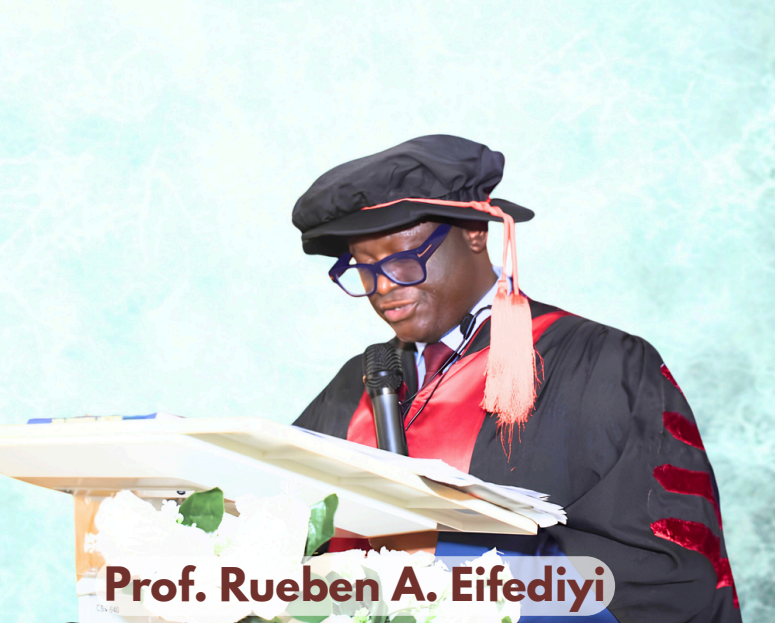
The Chief Medical Director/CEO of Irrua Specialist Teaching Hospital (ISTH), Professor Reuben Agbonyosoria Eifediyi, delivered the 145th Inaugural Lecture of Ambrose Alli University (AAU), Ekpoma, at the Cordelia Agbebaku Hall of the institution.
Speaking on the topic, “The Child is the Father of the Man”, within the field of Perinatal Obstetrics and Gynaecology, Professor Eifediyi highlighted critical factors that can hinder healthy fetal development and influence a child’s growth into adulthood.
He raised concern over Nigeria’s contribution of approximately 20% to global maternal mortality, noting that about 80% of maternal deaths worldwide are preventable with proper healthcare interventions.
The Professor explained that the lecture topic carries both literary and biological significance. From a literary perspective, it emphasizes how beliefs, habits, character, and early-life experiences shape adulthood. Biologically, he noted that conditions such as hypertension, malaria, and poor nutrition can negatively affect fetal development, altering the physiology and metabolism of the unborn child.
Professor Eifediyi cautioned against pregnancy without achieving a healthy body weight, stressing that maternal health plays a crucial role in determining long-term health outcomes for children.
He also acknowledged the contributions of past Chief Medical Directors of ISTH, including Professor Simeone Dawodu, Professor George Akpede, and Professor Sylvanus Okogbenin, for their mentorship and influence on his academic and professional journey.
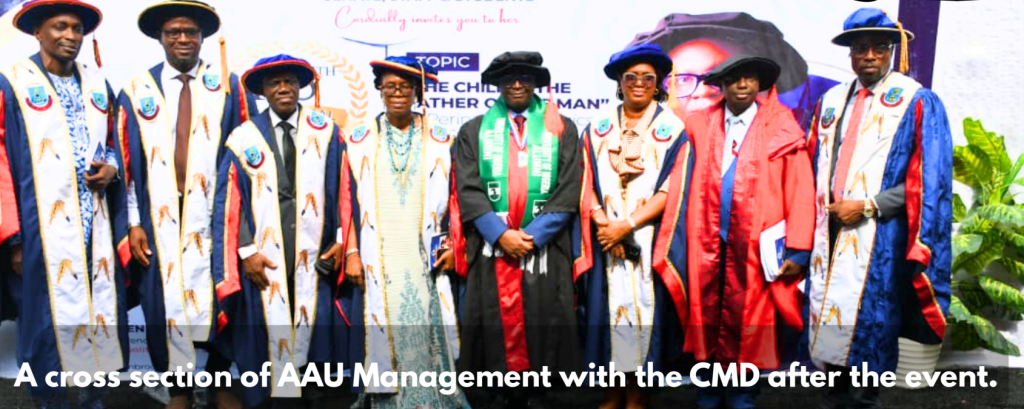
The Vice Chancellor of Ambrose Alli University and Chairman of the occasion, Professor Eunice Omonzejie, commended Professor Eifediyi for his outstanding contributions to medical science.
The event attracted a distinguished audience, including political leaders, traditional rulers, religious leaders, industry stakeholders, and current and former heads of healthcare institutions.
By Paris Ufuah
ISTH BULLETIN